
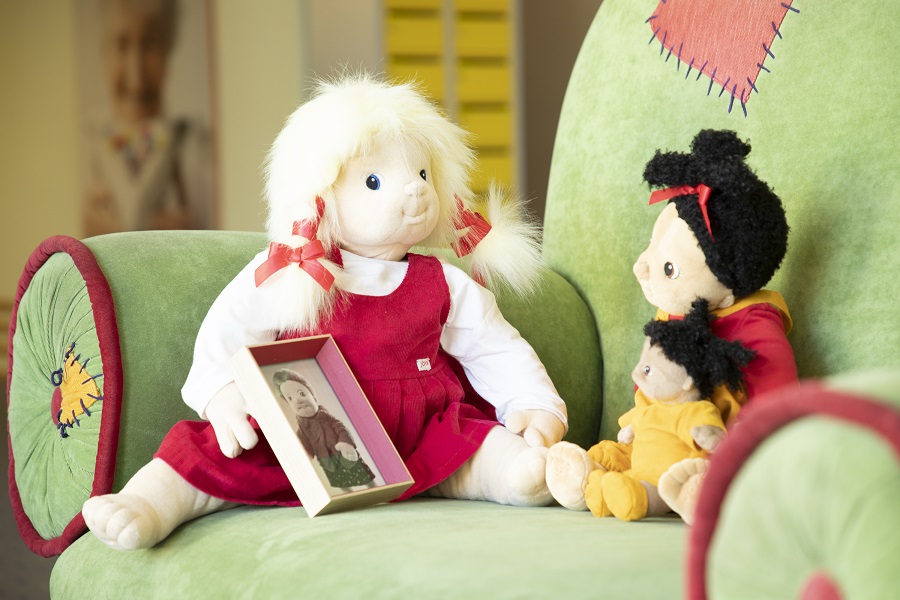
Are you looking for the ideal empathy doll for an older adult living in a nursing home or receiving care at home?
This guide helps you make the right choice by explaining each available type, its strengths, and its many therapeutic benefits. Discover how empathy doll therapy improves seniors’ daily lives through calming effects and sensory stimulation.
What Types of Empathy Dolls Exist for Seniors?
Empathy dolls come in several categories designed to meet specific therapeutic goals. Understanding these differences helps you select the tool best suited to each resident’s unique profile.
Whether for a healthcare facility or regular home support, choosing the right model ensures optimal results.
Realistic Reborn-Style Dolls for Sensory Grounding
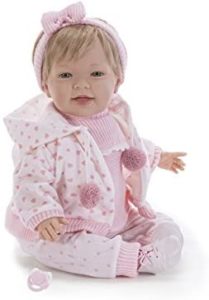
Highly realistic models, often called reborn dolls, closely replicate the appearance of a real baby. Their soft skin, painted hair, and expressive eyes create a strikingly lifelike impression.
A therapeutic doll of this type can revive meaningful family memories and emotional connections.
Their effectiveness relies largely on tactile stimulation, which supports emotional well-being. Users naturally dress, hold, and rock the doll, creating a strong feeling of safety. Balanced weight distribution reinforces the comforting sensation of holding a real child.
Key Characteristics
| Feature | Realistic Reborn Doll |
|---|---|
| Recommended size | 20–30 cm (easy for arthritic hands) |
| Optimal weight | 1–2.5 kg |
| Main materials | Vinyl limbs, fabric body |
| Facial expression | Closing eyes, gentle smile |
| Common accessories | Realistic clothing and accessories |
These dolls stimulate fine motor skills through simple gestures such as dressing or grooming, helping preserve manual dexterity and autonomy. They are particularly beneficial for people with cognitive disorders.
Proven Therapeutic Benefits of Doll Therapy
Doll therapy is a non-pharmacological intervention validated by numerous clinical experts.
Using an empathy doll for Alzheimer’s patients can significantly reduce anxiety and agitation while providing reassuring daily structure.
This therapeutic approach also encourages verbal communication and social interaction. Seniors often share memories and engage more easily with caregivers. The empathy naturally evoked by the doll helps rebuild emotional connections.
JOYK Dolls
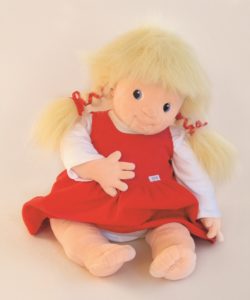
JOYK models form a professional range specifically designed for healthcare environments. Manufactured in Scandinavia, they are available in different sizes to meet various needs while combining durability with realism.
Key features:
- Soft versions allowing multiple positions (knees, table, bed)
- Balanced weight (1–1.5 kg) with weighted seat (300 g)
- Expressive face with large open eyes
- “Human touch” options such as electronic heartbeat modules, lavender scents, or sensory components
Their design preserves dignity and avoids infantilization.
JOYK Models
| Model | Size | Configuration | Recommended Use |
|---|---|---|---|
| Joyk 47 cm | 47 cm | Sitting or soft | Group settings |
| Joyk 50 cm | 50 cm | Flexible limbs | Individual motor interaction |
| Joyk 65 cm | 65 cm | One-year-old child simulation | Immersive home experience |
RUBENS BARN Dolls
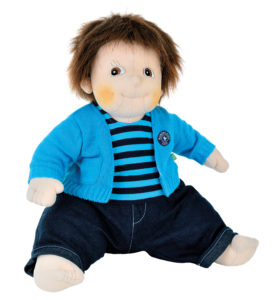
Since 1990, Rubens Barn has handcrafted empathy dolls in Sweden. They feature a naïve, gentle facial expression and lightweight design that quickly fosters emotional attachment.
Characteristics:
- Scandinavian handcrafted production
- Each doll is unique and numbered
- Simple expressive face with warm smile
- Soft yet stable sitting posture
- Lightweight (around 1 kg)
These dolls emphasize emotional bonding rather than complex interaction. Users often hold the doll closely, creating a comforting inner dialogue — ideal for individuals with strong parental memories.
| Aspect | Rubens Barn |
|---|---|
| Origin | Sweden, handmade since 1990 |
| Uniqueness | Each doll is different |
| Face | Gentle, expressive |
| Weight | Approx. 1 kg |
| Position | Stable seated posture |
Therapeutic Baby Doll
The therapeutic baby doll sits between a realistic reborn doll and a comforting plush toy. It includes all features required for Doll Therapy, as described by Béatrice Dussaud in “Un poupon pour nos aînés.”
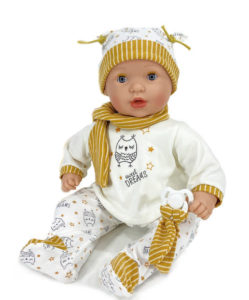
Features include:
- adorable facial expression
- opening and closing eyes
- light vanilla scent
- appropriate size and weight
This gradual sensory stimulation is ideal for seniors experiencing moderate agitation or nervousness.
The doll combines calming benefits with easy maintenance. Without complex mechanisms, it is safe, affordable, and easy to clean — making it ideal for institutional settings.
Essential Criteria for Choosing an Empathy Doll
Selecting the right empathy doll requires careful evaluation of objective factors such as weight, materials, and usability.
Size, Weight and Materials According to Resident Profile
Size plays a key role in everyday usability.
- 20–30 cm dolls are ideal for fragile hands.
- Prices vary depending on features and realism.
Key criteria:
- Balanced weight (1–2.8 kg) for realistic holding sensation
- Hypoallergenic materials for sensitive skin
- Easy cleaning (machine washable or removable covers)
- No small detachable parts for safety
Seated dolls offer greater stability and reduce fall risk, especially for people with arthritis.
Safety, Hygiene and Facial Expression
Facial expression is a major therapeutic factor.
Large expressive eyes and a gentle smile promote emotional connection and non-verbal communication. Models such as JOYK and Rubens Barn feature calming faces designed to avoid overstimulation.
Safety considerations:
- No strong magnets (pacemaker safety)
- Soft empathetic facial design
- Washable filling to prevent mites
Some sensory features, such as heartbeat simulators, enhance realism but must remain inaccessible to highly disoriented residents.
Budget and Model Selection
Budget naturally influences the type of model chosen. Group purchasing can help reduce costs for facilities.
The investment often results in:
- reduced agitation
- improved emotional well-being
- increased daily comfort for residents
Empathy dolls therefore represent a highly beneficial therapeutic investment.
How to Integrate Empathy Dolls into Daily Care
Buying a doll alone does not guarantee therapeutic success. Effectiveness depends on thoughtful integration into a structured care approach.
Care Protocols in Nursing Homes and Protected Units
Staff training is essential to introduce the doll respectfully and avoid rejection.
Recommended practices:
- Morning or evening routines (hair brushing, storytelling)
- Group workshops encouraging communication
- Individual sensory sessions in calm environments
Regular observation helps adapt the approach if rejection occurs.
Family involvement is also crucial — inviting relatives to provide clothes or memories strengthens emotional connection.
Home Use and Daily Routine Integration
At home, therapeutic dolls reach their full potential within familiar surroundings.
Place the doll in a living room or bedroom as a reassuring reference point. Establish gentle rituals such as sharing tea or storytelling.
Families frequently observe reduced anxiety and improved behavior, particularly for Alzheimer’s patients.
Sensory Add-Ons and Caregiver Resources
Empathy dolls become even more effective when combined with complementary sensory tools:
- Aromatherapy sachets (lavender)
- Changeable clothing to stimulate cognition
- Personalized photo albums
- Audio modules with reassuring family messages
Caregivers can also access short doll therapy training programs to structure activities effectively.
Frequently Asked Questions
What are the real benefits of empathy dolls for Alzheimer’s patients?
Scientific studies show significant reductions in anxiety and agitation. The doll provides a tangible sensory anchor that restores a feeling of safety and emotional stability.
Agitation behaviors may decrease by up to 30% in nursing homes.
Should I choose a realistic reborn doll or a weighted plush doll for an anxious resident?
The choice depends on anxiety level and personal preference.
- Weighted dolls provide immediate physical calming.
- Realistic dolls encourage communication and social interaction.
Testing different models is recommended, as responses vary between individuals.
How do you maintain hygiene with empathy dolls in nursing homes?
Strict hygiene is essential.
- Wash textiles weekly at 30°C without fabric softener.
- Air clothing regularly to prevent moisture buildup.
- Use machine-washable materials compliant with healthcare protocols.